What Should I Do After a Car Wreck around Huntington, West Virginia?

7016273264 • June 4, 2026

What Should I Do After a Car Wreck around Huntington, West Virginia?

By: Matt Stapleton, Stapleton Law Offices Attorney

Fortunately, being in a car wreck is not a common occurrence for most people in the tristate area. A car accident can leave you shaken, confused, and unsure of what to do next. The actions you take immediately after a crash can affect your health, your insurance claim, and your ability to recover compensation for your injuries.

If you have been involved in a car wreck in Huntington or anywhere in West Virginia, following these steps can help protect both your health and your legal rights.

Step 1: Check for Injuries and Call 911

Your safety should always come first.

If anyone is injured, call 911 immediately and request medical assistance. Even if injuries seem minor, it is important to have emergency responders evaluate everyone involved.

Many serious injuries, including concussions, internal bleeding, and soft tissue injuries, may not show symptoms immediately.

Step 2: Move to a Safe Location If Possible

If the vehicles can be moved safely, move them out of traffic to prevent additional accidents.

Turn on your hazard lights and remain alert to oncoming traffic.

Do not leave the scene of the accident.

Step 3: Report the Accident to Law Enforcement

West Virginia law, and generally every other state as well, generally requires accidents involving injury, death, or significant property damage to be reported. Most insurance policies require that authorities be notified within 24 hours of a crash or the policy can be deem void.

A police report can become important evidence when dealing with insurance companies or pursuing a personal injury claim. Often in small accidents law enforce will give an excuse not to complete an accident report to save themselves some paperwork, but that can also be extremely problematic for your insurance claim and case. Be very insistent with the police that you have to have an accident report.

When speaking with officers:

Be truthful
Stick to the facts
Avoid speculation
Do not admit fault

Step 4: Exchange Information

Obtain the following information from all drivers involved:

Name
Address
Phone number
Driver's license number
Insurance company
Insurance policy number
Vehicle information

If there are witnesses, politely ask for their contact information as well.

Witness statements can play a significant role in disputed liability cases.

Step 5: Take Photographs

If it is safe to do so, document the accident scene thoroughly.

Photograph:

Vehicle damage
Road conditions
Traffic signals
Skid marks
Debris
Visible injuries
Weather conditions

The more evidence you preserve immediately after the crash, the stronger your claim may be later.

Step 6: Seek Medical Treatment Promptly

One of the biggest mistakes accident victims make is delaying medical care. Insurance companies generally follow the philosophy that if you are hurt you go to the doctor, so if you didn’t go to the doctor you must not have been hurt. Insurance companies often argue that delayed treatment means injuries were not serious or were unrelated to the accident.

Even if you feel "okay," consider being evaluated by a medical professional.

Common injuries that may not appear immediately include:

Whiplash
Concussions
Herniated discs
Soft tissue injuries
Internal injuries

Step 7: Notify Your Insurance Company

Most insurance policies require prompt notice of an accident. In some cases, failure to notify the insurance company can void insurance coverages that would have applied otherwise.

When reporting the crash:

Provide basic facts
Be truthful
Avoid guessing
Do not provide a recorded statement to the other driver's insurance company without legal advice

Insurance adjusters may seem friendly, but their goal is often to minimize payouts. Their job is to give you as little as they can get away with. 

Step 8: Avoid Discussing the Accident on Social Media

DO NOT POST ABOUT YOUR ACCIDENT ON ONE OF THE HUNTINGTON FACEBOOK PAGES!

Many people unknowingly damage their claims by posting online. Photos, videos, comments, and status updates can be taken out of context and used against you. It is often best to avoid discussing the accident publicly while your claim is pending.

Step 9: Understand West Virginia's Comparative Fault Rule

West Virginia follows a modified comparative fault system. This means your compensation may be reduced if you are partially responsible for the accident. However, being partially at fault does not automatically prevent recovery.

Determining fault often involves:

Police reports
Witness testimony
Accident reconstruction
Video evidence
Medical records

Because fault can significantly affect compensation, it is important to investigate the accident thoroughly.

Step 10: Speak With an Experienced Car Wreck Lawyer

After a serious accident, an attorney can help:

Investigate the crash
Gather evidence
Handle insurance companies
Calculate damages
Negotiate settlements
File a lawsuit when necessary

Many injury victims discover that insurance companies become much more cooperative once legal representation is involved.

Common Compensation Available After a Car Accident

Depending on the circumstances, compensation may include:

Medical expenses
Future medical treatment
Lost wages
Reduced earning capacity
Pain and suffering
Emotional distress
Property damage

Every case is unique, and the available compensation depends on the specific facts involved.

Frequently Asked Questions

How long do I have to file a car accident claim in West Virginia?

The deadline may depend on the specific circumstances of your case. It is generally wise to consult an attorney as soon as possible after an accident.
๏ปฟ
What if the other driver does not have insurance?

You may still have options through your own uninsured or underinsured motorist coverage.

Should I accept the insurance company's first settlement offer?

Not without understanding the full extent of your injuries and damages. Early offers are often made before the true cost of injuries becomes known.

Contact Stapleton Law Offices

If you have been injured in a Huntington car accident, understanding your rights is the first step toward protecting your future. There are many insurance traps someone that isn’t experienced in insurance law can fall into. That is why on average someone with a personal injury attorney gets about three times more than someone without one. And that is from the insurance company’s own data!

The experienced team at Stapleton Law Offices helps injured West Virginians pursue compensation after serious car wrecks and other personal injury accidents. Contact Stapleton Law to schedule a free consultation with knowledgeable car accident injury attorneys and personal injury lawyers. Give us a call at (304) 529-1130 or email Contact@Stapleton-Law.com today!


By Matt Stapleton August 20, 2026
How Do Insurance Companies Determine What a Car Accident Claim Is Worth in West Virginia, Kentucky, and Ohio?
By Matt Stapleton July 23, 2026
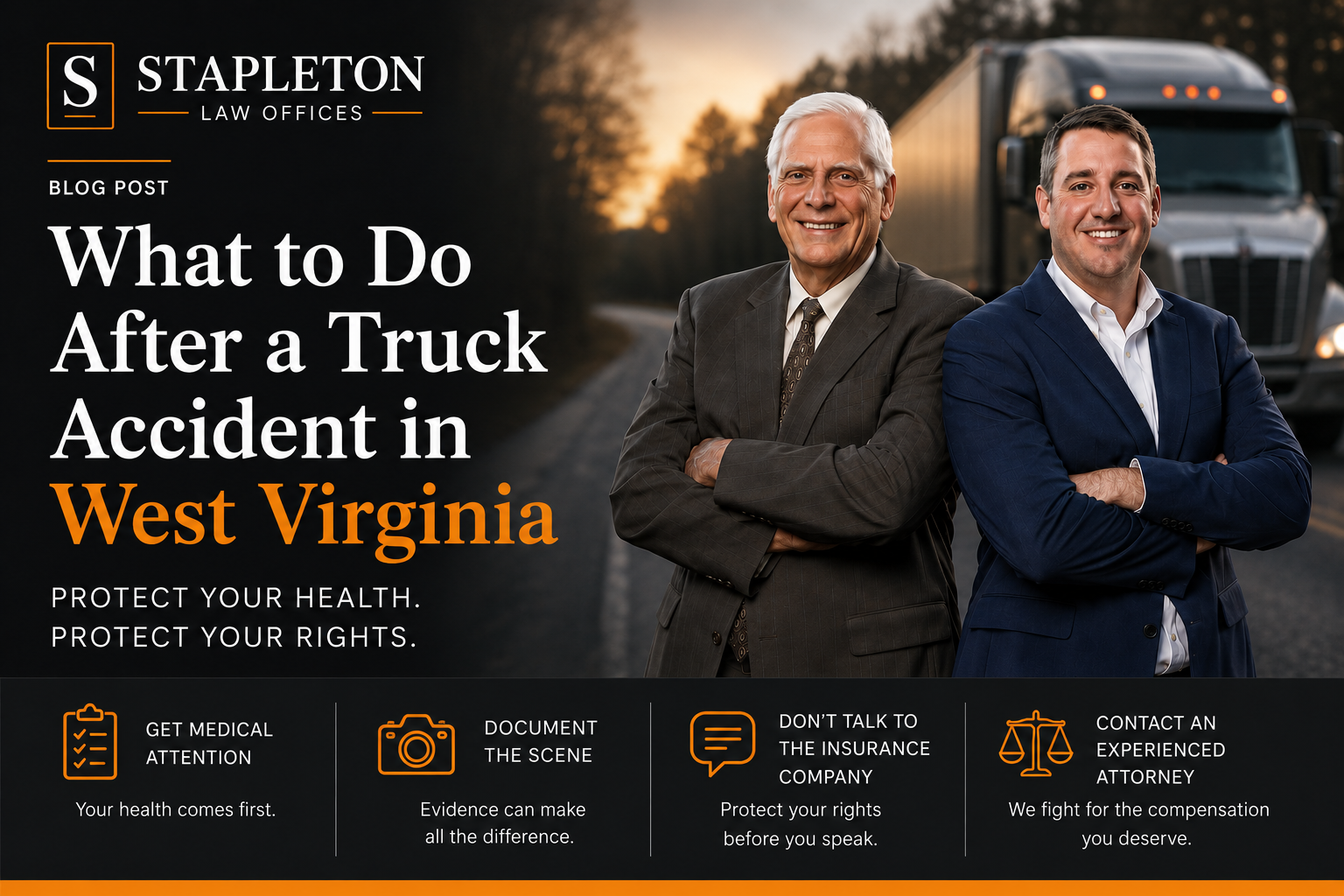
What You Need to Know After a Truck Accident
By Matt Stapleton July 15, 2026
Should I Go to the Emergency Room After a Car Accident If I don't Think I'm Seriously Hurt?
By Matt Stapleton July 14, 2026
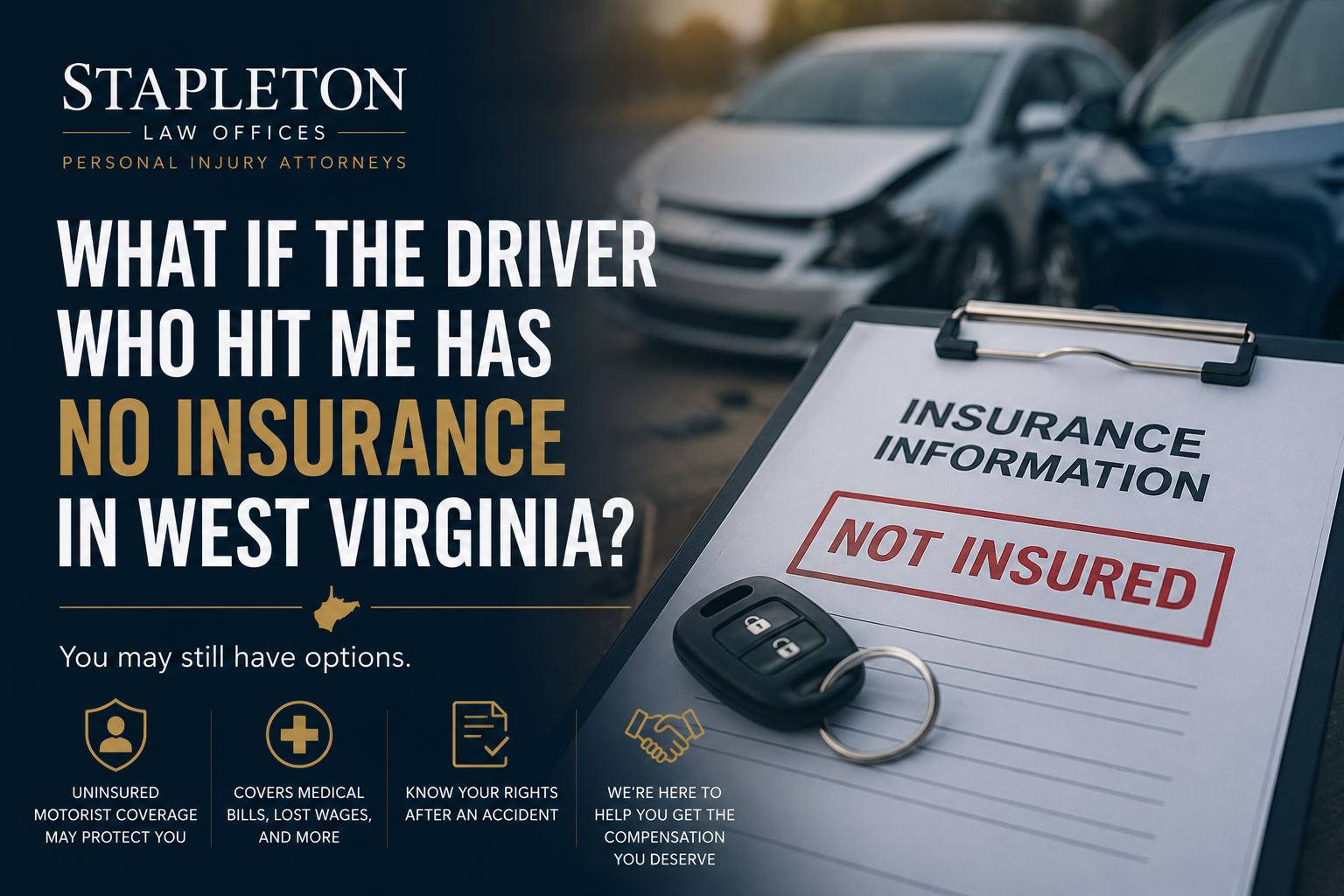
What If the Driver Who Hit Me Has No Insurance in West Virginia?
By Matt Stapleton July 8, 2026
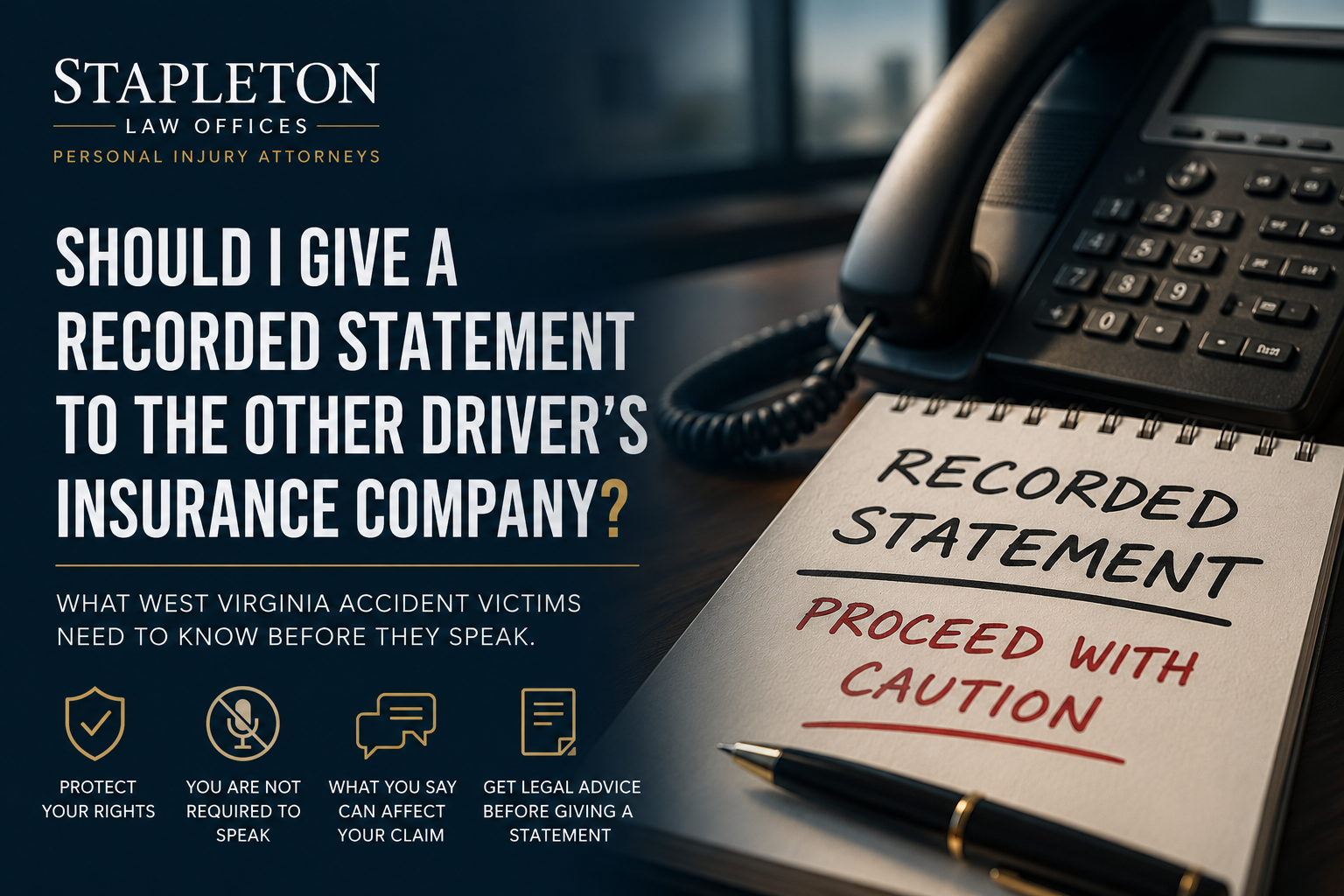
Should I Give a Recorded Statement to the Other Driver's Insurance Company After a West Virginia Car Accident? By Stapleton Law Offices
By 7016273264 July 1, 2026
What Evidence Should I Collect After a Car Accident in West Virginia?
By Matt Stapleton June 23, 2026
What Is Pain and Suffering Worth After a West Virginia Car Accident?
By 7016273264 April 22, 2026
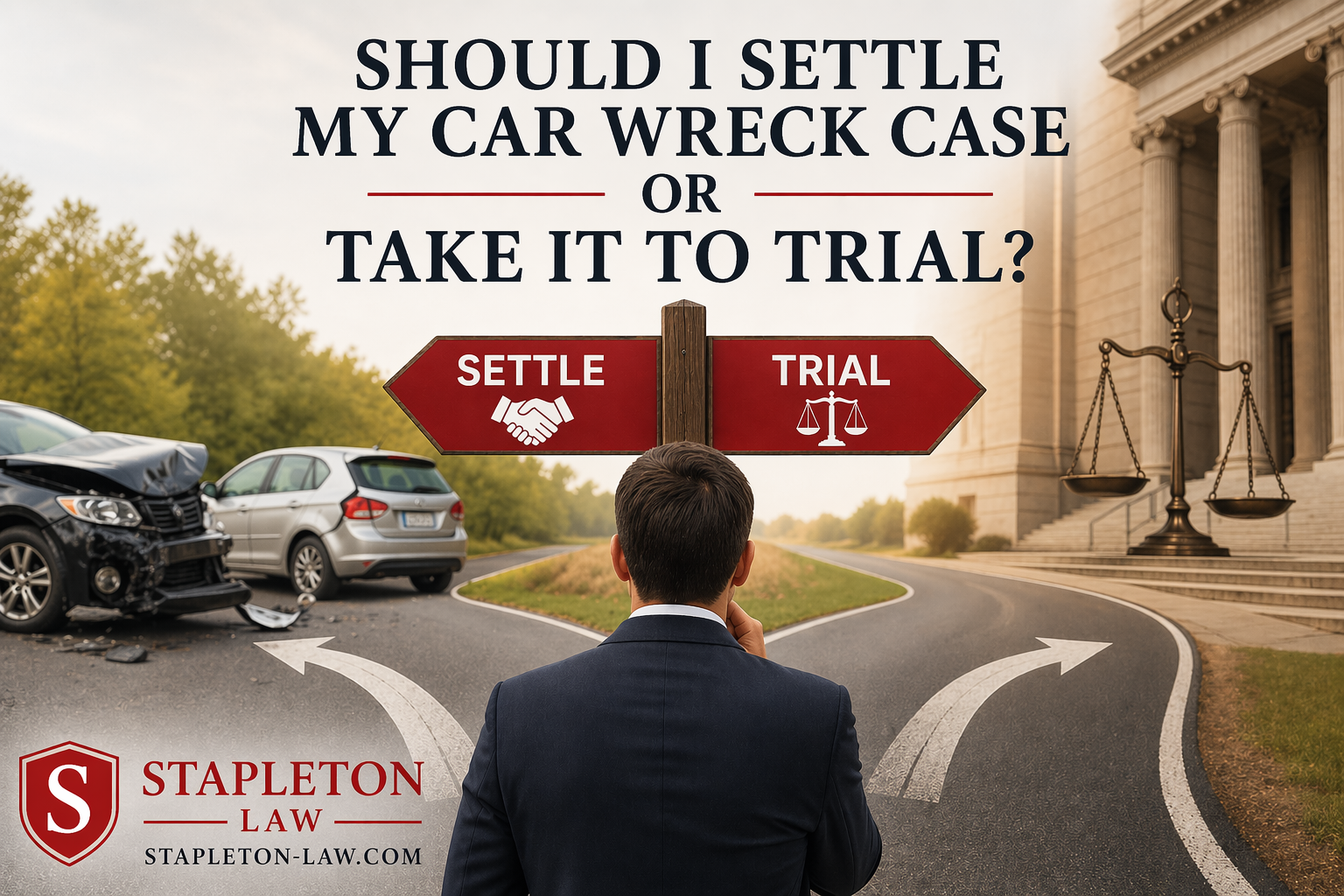
Should I Settle My Car Wreck Case or Take It to Trial? When you’ve been injured in a car accident, one of the biggest decisions you’ll face is whether to settle your personal injury claim or take it to trial. This choice can affect how much compensation you receive, how long your case takes, and how much stress you experience along the way. Understanding the key factors behind this decision can help you make a more informed choice. Key Factors That Influence the Decision 1. Strength of the Evidence The strength of your evidence plays a major role in whether a case settles or goes to trial. If liability is clear and supported by strong evidence—such as police reports, medical records, and witness testimony—the chances of reaching a favorable settlement increase. However, if fault is disputed or the evidence is less convincing, the insurance company may be less willing to offer fair compensation, making trial a more viable option. 2. Potential Compensation (Damages) The value of your claim is another critical factor. When damages are substantial—such as serious injuries, long-term medical care, or lost income—insurance companies may choose to settle to avoid the risk of a larger jury verdict. On the other hand, if the insurer believes your claim is worth less than you’re demanding, they may push toward trial. 3. Time and Cost Considerations Trials take time—and they can be expensive. Litigation often involves expert witnesses, depositions, and court costs that add up quickly. It can also take months or even years to reach a verdict. For many people, settling offers a faster and less stressful path to compensation. Benefits of Settling Your Case Certainty and Control A settlement provides a guaranteed outcome. You and your attorney can negotiate terms that work for you, rather than leaving the decision in the hands of a jury. Faster Resolution Settling allows you to receive compensation sooner, helping you pay medical bills and move forward with your life without prolonged legal uncertainty. When Going to Trial May Make Sense Seeking Accountability Some individuals want their day in court. A trial can provide a sense of justice and hold the responsible party publicly accountable. Potential for Higher Compensation While settlements are predictable, trials carry the possibility of higher awards. In some cases, juries may award significant damages—especially if the defendant’s conduct was particularly serious. Final Thoughts There’s no one-size-fits-all answer to whether you should settle your car accident case or take it to trial. Every case is different, and the right decision depends on the specific facts, the strength of the evidence, and your personal goals. An experienced personal injury attorney can help you evaluate your options, weigh the risks, and choose the path that best protects your interests. Contact Stapleton Law Today If you or a loved one has been injured due to someone else’s negligence and you’re unsure what to do next, the team at Stapleton Law is here to help. Call (304) 529-1130 or email Contact@Stapleton-Law.com today to schedule your free, no-obligation consultation and learn more about your rights and options.
By Matt Stapleton March 4, 2026
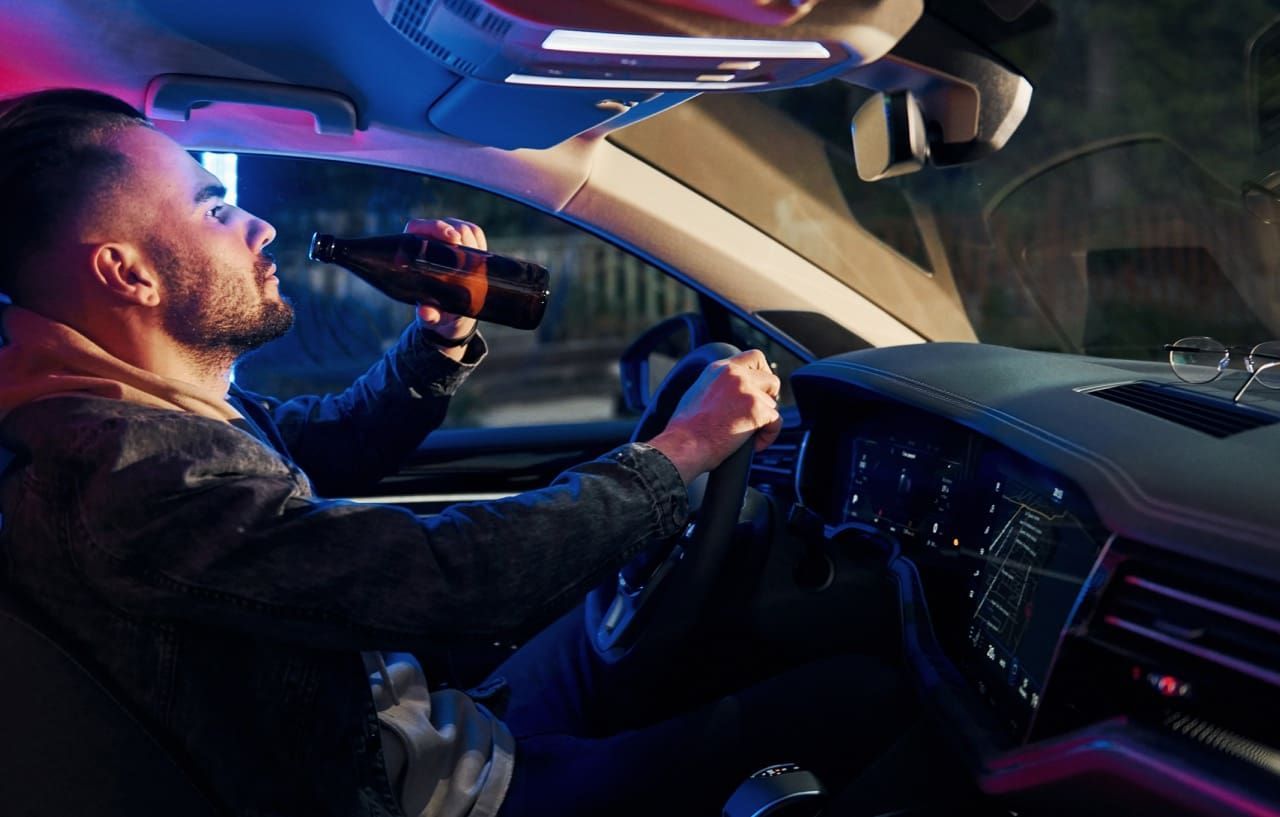
When a drunk driver causes a crash, the impact can be life-altering. Victims often face serious injuries, mounting medical bills, lost income, and lasting emotional trauma. While many people understand that the impaired driver can be held responsible, fewer realize that the bar, restaurant, or other establishment that served the alcohol may also share liability in certain circumstances. These are commonly referred to as "dram" shop cases, which is a reference to old English taverns where alcohol was sold. For injured victims and their families, understanding these legal options is an important first step toward securing full and fair compensation. Holding the Drunk Driver Civilly Liable Driving under the influence is not just a criminal offense — it is clear negligence. Every driver has a legal duty to operate their vehicle safely. When someone chooses to drink excessively and then get behind the wheel, they breach that duty and put everyone on the road at risk. A personal injury claim against a drunk driver is a civil action separate from any criminal DUI prosecution. While the state may pursue criminal penalties such as fines, license suspension, or jail time, those penalties do not compensate victims for their losses. A civil claim, on the other hand, is designed to make the injured party “whole” financially. A civil claim can be pursed before, during, after, or even without a criminal DUI prosecution. Through a personal injury lawsuit or insurance claim, victims may seek compensation for: -Emergency medical treatment and hospitalization -Ongoing medical care and rehabilitation -Prescription medications and medical equipment -Lost wages and diminished earning capacity -Pain and suffering -Emotional distress -Permanent disability or disfigurement -Property damage In most cases, and particularly in egregious cases, punitive damages may also be available to punish reckless behavior and deter similar conduct in the future. When the Bar or Restaurant May Also Be Responsible In some cases, responsibility does not stop with the driver. Many states recognize what are commonly called “dram shop” or third-party liability claims. If an establishment serves alcohol, certain responsibility come with the choice to serve alcohol. These claims allow injured victims to pursue compensation from a business that negligently served alcohol to someone who was visibly intoxicated or otherwise should not have been served. Bars, restaurants, nightclubs, and other alcohol vendors are expected to serve responsibly. This means monitoring patrons for signs of intoxication and refusing service when appropriate. Common signs of visible intoxication can include: -Slurred speech -Bloodshot or glassy eyes -Staggering or difficulty standing -Loud, aggressive, or erratic behavior -Spilling drinks or fumbling with money If an establishment continues serving a patron who is clearly intoxicated — and that person later causes a crash — the business may be found partially responsible for the resulting injuries. What Must Be Proven in a Claim Against an Establishment Claims against alcohol-serving establishments are often more complex than claims against individual drivers. To succeed, an injured victim typically must prove several elements: 1. Duty of Care: The establishment owed a duty to serve alcohol responsibly and to avoid creating an unreasonable risk of harm to others. 2. Breach of Duty: The business breached that duty by serving alcohol to someone who was visibly intoxicated or otherwise legally prohibited from being served. 3. Causation: The overservice of alcohol was a proximate cause of the crash. 4. Damages: The victim suffered actual injuries and losses as a result. These cases are highly fact-specific. Evidence can play a critical role and may include: -Surveillance footage from the bar or surrounding businesses -Credit card receipts and bar tabs showing the amount of alcohol served -Witness testimony from other patrons or employees -Police reports and toxicology results -Expert testimony regarding blood alcohol concentration and impairment Because this evidence can disappear quickly, early investigation is often essential. Why Pursuing All Responsible Parties Matters Drunk driving crashes frequently result in catastrophic injuries — traumatic brain injuries, spinal cord damage, multiple fractures, and long-term disabilities. The financial consequences can extend far beyond the limits of a single auto insurance policy. By identifying and pursuing claims against all potentially responsible parties, victims increase their chances of recovering compensation that truly reflects the full extent of their losses. Alcohol-serving establishments typically carry commercial liability insurance policies, which may provide additional coverage beyond what the driver’s auto insurance offers. Going after multiple insurance policies in a single case is often referred to as "stacking" insurance policies. Holding establishments accountable also serves a broader purpose. Responsible alcohol service helps prevent tragedies. When businesses are required to answer for negligent overservice, it reinforces the importance of proper training and compliance with alcohol laws. The Importance of Acting Quickly Time is critical in drunk driving injury cases. As should come to no surprise, evidence begins to disappear as time goes on. Many states impose strict deadlines — known as statutes of limitations — for filing personal injury claims. In addition, surveillance footage may be erased within days, and witnesses’ memories can fade quickly. An experienced personal injury attorney, such as the attorneys at Stapleton Law, can take immediate steps to preserve evidence, obtain relevant records, consult with experts, and build a strong case. Early action can make a significant difference in the outcome. You May Have More Options Than You Think If you or a loved one has been injured by a drunk driver, it is important to understand that your legal options may extend beyond the individual behind the wheel. Depending on the facts of the case, you may be able to pursue compensation from both the impaired driver and the establishment that served them. These cases require careful investigation, legal knowledge, and a strategic approach. By holding all responsible parties accountable, injured victims can pursue the financial recovery they need — and help promote safer roads for everyone. Contact Stapleton Law Today If you or a loved one has been injured due to a drunk driver's negligence, don’t navigate the legal system alone. Contact Stapleton Law today for a free consultation and let our experienced personal injury team fight for the justice and compensation you deserve. ๐Ÿ“ž Call us today at (304)529-1130 ๐Ÿ’ป Visit www.Stapleton-Law.com or email Contact@Stapleton-Law.com ๐Ÿ“ Serving Huntington and Tri-State areas
October 15, 2025
When you’ve been injured in an accident, the aftermath can be overwhelming — medical bills, time off work, and emotional stress can add up quickly. That’s where personal injury law comes in. At Stapleton Law, we help injured individuals get the compensation they deserve so they can focus on healing and moving forward. What Is a Personal Injury Case? A personal injury case arises when someone is harmed because of another person’s negligence, recklessness, or intentional actions. The injured person (the plaintiff) may file a claim against the responsible party (the defendant) to recover financial compensation for their losses, which is typically paid by an insurance company. Common examples of personal injury cases include: Car, truck, and motorcycle accidents Slip and fall or premises liability accidents Medical malpractice Workplace or construction injuries Defective product injuries Dog bites or animal attacks Wrongful death claims In these cases, the injured person must show that the other party’s actions caused their injuries — and that those injuries resulted in damages such as medical expenses, lost income, or pain and suffering. Do I Need a Personal Injury Lawyer? While it’s possible to handle a claim on your own, working with an experienced personal injury lawyer can make a significant difference. Here’s why: 1. Understanding Your Rights Personal injury law can be complex. A lawyer can explain your legal rights, evaluate your case, and help you understand what compensation you may be entitled to under the law. 2. Negotiating With Insurance Companies Insurance companies often aim to minimize payouts. An attorney knows how to negotiate effectively to ensure you receive fair compensation — not a quick, lowball settlement. 3. Building a Strong Case A skilled personal injury lawyer will gather evidence, interview witnesses, consult medical experts, and build a compelling argument to support your claim. 4. Handling Legal Procedures and Deadlines From filing paperwork to meeting court deadlines, personal injury claims involve strict procedures. A lawyer ensures that everything is done correctly and on time, protecting your case from being dismissed on technical grounds. 5. Maximizing Your Compensation Studies have shown that injury victims represented by attorneys typically recover significantly more compensation than those who go it alone. The insurance industry's own statistics show that on average an injury victim that is represented by an attorney receives 3 times more than an injury victim without an attorney. When to Contact a Personal Injury Attorney You should reach out to a lawyer as soon as possible after your injury — especially if: -You’ve suffered serious or long-term injuries. -Fault for the accident is disputed. -An insurance company is pressuring you to settle quickly. -You’re unsure what your case is worth. At Stapleton Law, we offer free consultations and work on a contingency fee basis, meaning you don’t pay unless we win your case. We’re here to handle the legal stress so you can focus on your recovery. Contact Stapleton Law Today If you or a loved one has been injured due to someone else’s negligence, don’t navigate the legal system alone. Contact Stapleton Law today for a free consultation and let our experienced personal injury team fight for the justice and compensation you deserve. ๐Ÿ“ž Call us today at (304)529-1130 ๐Ÿ’ป Visit www.Stapleton-Law.com or email Contact@Stapleton-Law.com ๐Ÿ“ Serving Huntington and Tri-State areas