How Personal Injury Settlements Are Calculated: What You Need to Know
Matthew Stapleton • October 9, 2025
How Personal Injury Settlements Are Calculated: What You Need to Know

Matthew Stapleton <matt@stapleton-law.com>
If you’ve been injured in an accident caused by someone else’s negligence, one of the first questions you probably have is: “How much is my case worth?”
While no two personal injury claims are exactly alike, understanding how settlements are calculated can help you set realistic expectations and make informed decisions throughout your case.
1. The Foundation: Economic Damages
The first step in calculating a settlement is determining your economic (or “special”) damages — the tangible financial losses you’ve suffered because of the accident. These typically include:
Medical expenses: hospital stays, surgeries, physical therapy, medication, medical equipment, and future medical care.
Lost wages: income you’ve missed due to your injury, plus any reduction in future earning capacity if you can’t return to the same line of work.
Property damage: for example, the cost to repair or replace your vehicle after a car accident.
Your attorney will collect bills, receipts, pay stubs, and expert opinions to establish a clear picture of your financial losses.
2. The Next Step: Non-Economic Damages
Not all losses are easily measured in dollars. Non-economic damages compensate you for the physical pain, emotional distress, and overall impact the injury has had on your quality of life. These include:
Pain and suffering
Emotional distress
Loss of enjoyment of life
Loss of companionship or consortium
Because these are subjective, our attorneys their experience to weight these factors and use evidence to pressure the insurance company's into higher settlements.
3. Factoring in Liability and Comparative Fault
The strength of your case matters. If the other party’s negligence is clear and undisputed, your settlement value may increase. However, if there’s shared fault — for example, if you were partially responsible for the accident — your recovery could be reduced under your state’s comparative negligence laws.
For example, if you were found 20% at fault and your total damages were $100,000, your settlement might be reduced to $80,000.
4. Insurance Policy Limits
Even when your damages are significant, insurance coverage can limit the amount you can actually recover. If the at-fault party’s insurance policy has a $50,000 bodily injury limit, that may cap what the insurer will pay — unless other sources of compensation are available. Often times in serious cases, our attorneys are able to use multiple insurance policies to "stack" insurance coverage. For example, recently attorney Matt Stapleton was able to stack 8 different insurance coverage into a single wreck.
5. Future Damages and Expert Testimony
For serious injuries with lasting effects, our attorneys may work with medical experts, vocational specialists, and economists to estimate future medical costs, lost earning capacity, and ongoing pain or limitations. These projections are crucial in maximizing your settlement value.
6. Negotiation and Settlement Strategy
The Bottom Line
Every personal injury case is unique. While online “settlement calculators” may provide rough estimates, they rarely capture the full picture of your damages and the nuances of your case. The best way to understand what your claim is worth is to speak with an experienced personal injury attorney who can review the facts, gather evidence, and advocate for the maximum compensation you deserve. Remember, the insurance company's goal is to pay as little as possible to settle a case.
Need Legal Help?
If you’ve been injured in an accident, our team at Stapleton Law is here to help. We offer free consultations, and you pay nothing unless we win your case. Contact us today at (304)529-1130 or Contact@Stapleton-Law.com to learn more about your rights and options.
If you’ve been injured in an accident caused by someone else’s negligence, one of the first questions you probably have is: “How much is my case worth?”
While no two personal injury claims are exactly alike, understanding how settlements are calculated can help you set realistic expectations and make informed decisions throughout your case.
1. The Foundation: Economic Damages
The first step in calculating a settlement is determining your economic (or “special”) damages — the tangible financial losses you’ve suffered because of the accident. These typically include:
Medical expenses: hospital stays, surgeries, physical therapy, medication, medical equipment, and future medical care.
Lost wages: income you’ve missed due to your injury, plus any reduction in future earning capacity if you can’t return to the same line of work.
Property damage: for example, the cost to repair or replace your vehicle after a car accident.
Your attorney will collect bills, receipts, pay stubs, and expert opinions to establish a clear picture of your financial losses.
2. The Next Step: Non-Economic Damages
Not all losses are easily measured in dollars. Non-economic damages compensate you for the physical pain, emotional distress, and overall impact the injury has had on your quality of life. These include:
Pain and suffering
Emotional distress
Loss of enjoyment of life
Loss of companionship or consortium
Because these are subjective, our attorneys their experience to weight these factors and use evidence to pressure the insurance company's into higher settlements.
3. Factoring in Liability and Comparative Fault
The strength of your case matters. If the other party’s negligence is clear and undisputed, your settlement value may increase. However, if there’s shared fault — for example, if you were partially responsible for the accident — your recovery could be reduced under your state’s comparative negligence laws.
For example, if you were found 20% at fault and your total damages were $100,000, your settlement might be reduced to $80,000.
4. Insurance Policy Limits
Even when your damages are significant, insurance coverage can limit the amount you can actually recover. If the at-fault party’s insurance policy has a $50,000 bodily injury limit, that may cap what the insurer will pay — unless other sources of compensation are available. Often times in serious cases, our attorneys are able to use multiple insurance policies to "stack" insurance coverage. For example, recently attorney Matt Stapleton was able to stack 8 different insurance coverage into a single wreck.
5. Future Damages and Expert Testimony
For serious injuries with lasting effects, our attorneys may work with medical experts, vocational specialists, and economists to estimate future medical costs, lost earning capacity, and ongoing pain or limitations. These projections are crucial in maximizing your settlement value.
6. Negotiation and Settlement Strategy
Finally, your attorney’s negotiation skills play a vital role. Insurance companies often start with low offers to protect their bottom line. A skilled personal injury lawyer will know how to present evidence, argue liability, and push for a settlement that truly reflects your losses — or take the case to trial if necessary.
The Bottom Line
Every personal injury case is unique. While online “settlement calculators” may provide rough estimates, they rarely capture the full picture of your damages and the nuances of your case. The best way to understand what your claim is worth is to speak with an experienced personal injury attorney who can review the facts, gather evidence, and advocate for the maximum compensation you deserve. Remember, the insurance company's goal is to pay as little as possible to settle a case.
Need Legal Help?
If you’ve been injured in an accident, our team at Stapleton Law is here to help. We offer free consultations, and you pay nothing unless we win your case. Contact us today at (304)529-1130 or Contact@Stapleton-Law.com to learn more about your rights and options.

Can I Still Have a Car Accident Claim If My Injuries Didn't Show Up Right Away?
How Do Insurance Companies Determine What a Car Accident Claim Is Worth in West Virginia, Kentucky, and Ohio?

What You Need to Know After a Truck Accident

Should I Go to the Emergency Room After a Car Accident If I don't Think I'm Seriously Hurt?

What If the Driver Who Hit Me Has No Insurance in West Virginia?
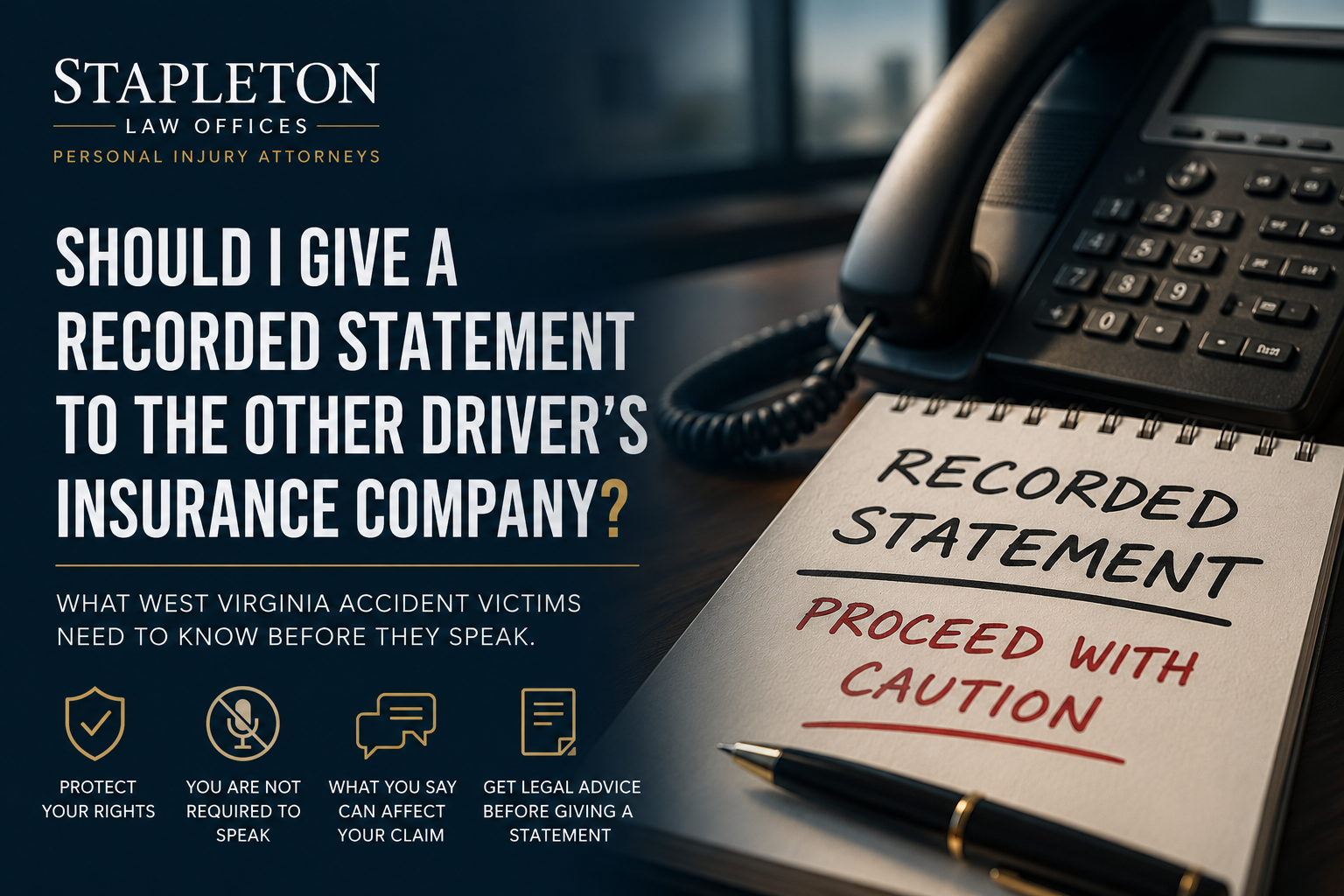
Should I Give a Recorded Statement to the Other Driver's Insurance Company After a West Virginia Car Accident? By Stapleton Law Offices

What Evidence Should I Collect After a Car Accident in West Virginia?

What Is Pain and Suffering Worth After a West Virginia Car Accident?
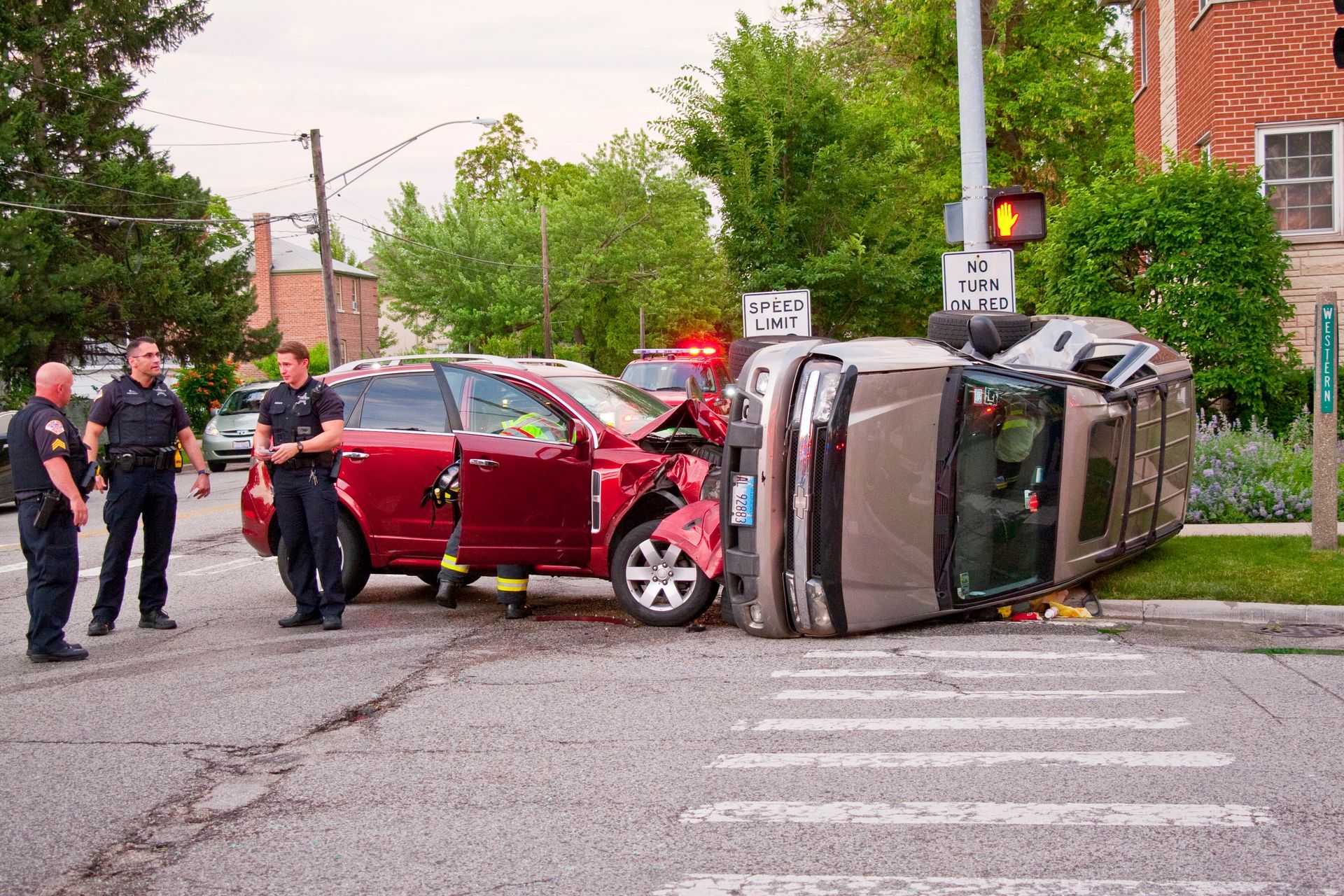
What Should I Do After a Car Wreck around Huntington, West Virginia? By: Matt Stapleton, Stapleton Law Offices Attorney

Should I Settle My Car Wreck Case or Take It to Trial? When you’ve been injured in a car accident, one of the biggest decisions you’ll face is whether to settle your personal injury claim or take it to trial. This choice can affect how much compensation you receive, how long your case takes, and how much stress you experience along the way. Understanding the key factors behind this decision can help you make a more informed choice. Key Factors That Influence the Decision 1. Strength of the Evidence The strength of your evidence plays a major role in whether a case settles or goes to trial. If liability is clear and supported by strong evidence—such as police reports, medical records, and witness testimony—the chances of reaching a favorable settlement increase. However, if fault is disputed or the evidence is less convincing, the insurance company may be less willing to offer fair compensation, making trial a more viable option. 2. Potential Compensation (Damages) The value of your claim is another critical factor. When damages are substantial—such as serious injuries, long-term medical care, or lost income—insurance companies may choose to settle to avoid the risk of a larger jury verdict. On the other hand, if the insurer believes your claim is worth less than you’re demanding, they may push toward trial. 3. Time and Cost Considerations Trials take time—and they can be expensive. Litigation often involves expert witnesses, depositions, and court costs that add up quickly. It can also take months or even years to reach a verdict. For many people, settling offers a faster and less stressful path to compensation. Benefits of Settling Your Case Certainty and Control A settlement provides a guaranteed outcome. You and your attorney can negotiate terms that work for you, rather than leaving the decision in the hands of a jury. Faster Resolution Settling allows you to receive compensation sooner, helping you pay medical bills and move forward with your life without prolonged legal uncertainty. When Going to Trial May Make Sense Seeking Accountability Some individuals want their day in court. A trial can provide a sense of justice and hold the responsible party publicly accountable. Potential for Higher Compensation While settlements are predictable, trials carry the possibility of higher awards. In some cases, juries may award significant damages—especially if the defendant’s conduct was particularly serious. Final Thoughts There’s no one-size-fits-all answer to whether you should settle your car accident case or take it to trial. Every case is different, and the right decision depends on the specific facts, the strength of the evidence, and your personal goals. An experienced personal injury attorney can help you evaluate your options, weigh the risks, and choose the path that best protects your interests. Contact Stapleton Law Today If you or a loved one has been injured due to someone else’s negligence and you’re unsure what to do next, the team at Stapleton Law is here to help. Call (304) 529-1130 or email Contact@Stapleton-Law.com today to schedule your free, no-obligation consultation and learn more about your rights and options.