Should I Go to the Emergency Room After a Car Accident If I Feel Fine?
Should I Go to the Emergency Room After a Car Accident If I don't Think I'm Seriously Hurt?

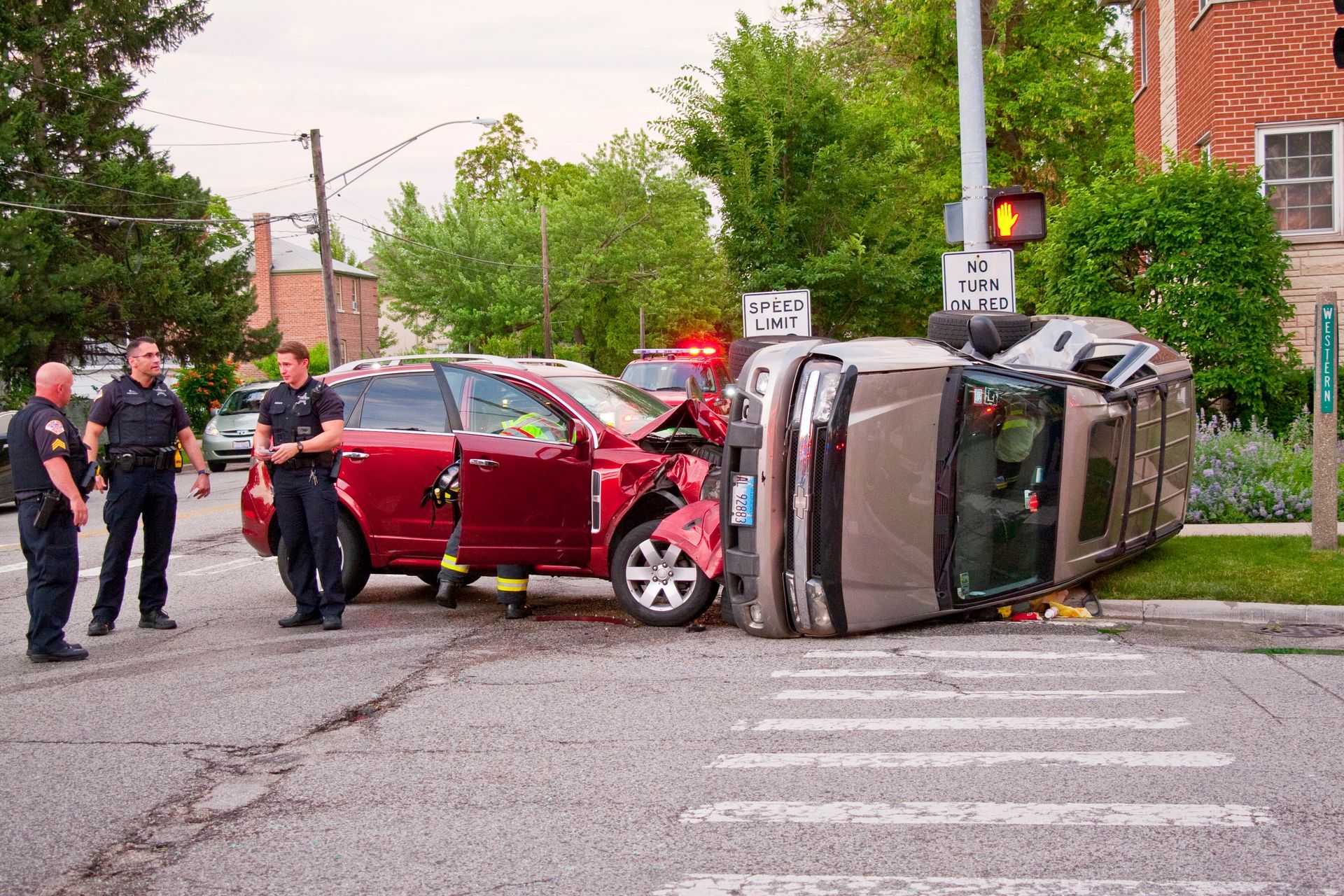
After a car accident, your first priority should always be your health. Adrenaline can mask pain and make injuries seem less serious than they actually are. Many people walk away from a collision believing they are "fine," only to develop significant symptoms hours or even days later. One of the most common questions we hear is: "Do I really need to go to the emergency room if I don't think I'm seriously hurt?" The answer depends on the circumstances of the accident and your symptoms, but seeking prompt medical evaluation is often one of the most important decisions you can make for both your health and your legal rights.
Why Some Injuries Don't Show Up Immediately
Your body releases adrenaline during a traumatic event. This natural response can temporarily reduce pain and hide symptoms. As the adrenaline wears off, accident victims may begin experiencing:
- Neck pain
- Back pain
- Headaches
- Dizziness
- Shoulder pain
- Numbness or tingling
- Abdominal pain
- Difficulty concentrating
Some injuries may take several days before they become obvious.
Injuries That Can Be Easily Missed
Concussions
A person does not have to lose consciousness to suffer a concussion. Symptoms may include:
- Headache
- Confusion
- Memory problems
- Nausea
- Light sensitivity
- Difficulty concentrating
Whiplash
Whiplash injuries frequently develop gradually. Pain and stiffness often become worse during the first 24 to 72 hours after a collision.
Internal Injuries
Internal bleeding and organ injuries may not immediately produce obvious symptoms but can become life-threatening if left untreated.
Herniated Discs
Disc injuries sometimes develop slowly, with symptoms progressing over several days. Victims may initially notice only mild soreness before experiencing severe pain, numbness, or weakness.
Why Prompt Medical Care Matters
Receiving timely medical treatment accomplishes two important goals.
It Protects Your Health
Early diagnosis allows physicians to identify serious injuries before they worsen. Prompt treatment often improves recovery and may reduce the risk of long-term complications. It can also make your recovery time shorter.
It Protects Your Injury Claim
Insurance companies carefully examine the timing of medical treatment. If you wait several days—or even weeks—to seek care, the insurance company may argue:
- Your injuries were not serious.
- The accident did not cause your injuries.
- Something else happened after the collision.
While delayed treatment does not automatically defeat a claim, it can create issues that could have been avoided.
Should You Go to the Emergency Room or an Urgent Care?
Every situation is different. Emergency rooms are generally appropriate when you experience symptoms such as:
- Chest pain
- Difficulty breathing
- Severe headaches
- Loss of consciousness
- Significant bleeding
- Suspected fractures
- Severe neck or back pain
- Numbness or weakness
For less severe symptoms, an urgent care provider or your primary care physician may be appropriate. The important point is to seek evaluation promptly.
Follow Your Doctor's Recommendations
Once treatment begins, continue following your physician's advice. This may include:
- Physical therapy
- Diagnostic imaging
- Specialist referrals
- Follow-up appointments
- Prescription medications
Gaps in treatment may not only delay your recovery but can also become an issue during settlement negotiations.
Common Mistakes After a Car Accident
Many accident victims unintentionally make mistakes that affect both their recovery and their claim. These include:
- Declining medical evaluation because they "feel okay."
- Waiting several days before seeking treatment.
- Missing follow-up appointments.
- Stopping treatment early without medical advice.
- Returning to strenuous activities too soon.
Frequently Asked Questions
What if I feel sore the next day?
Delayed soreness is common after motor vehicle collisions. If symptoms develop or worsen, seek medical evaluation promptly.
Can I still have a claim if I didn't go to the emergency room?
Yes. Every case is different. While prompt treatment is often helpful, not every legitimate injury requires an emergency room visit.
Will insurance pay for emergency medical treatment?
Coverage depends on the available insurance, the facts of the accident, and the applicable insurance policies.
How Stapleton Law Offices Can Help
After a serious car accident, your first priority should always be your health. Understanding your injuries, preserving medical evidence, and knowing your legal rights can make a significant difference in the outcome of your claim. The experienced team at Stapleton Law Offices helps injured people in the Huntington and Tri-State areas pursue compensation after serious car wrecks and other personal injury accidents. Contact Stapleton Law to schedule a free consultation with knowledgeable car accident injury attorneys and personal injury lawyers. Give us a call at (304) 529-1130 or email Contact@Stapleton-Law.com today!
This article is provided for general educational purposes and is not legal or medical advice. Every case is unique.